Dental Implant Cost in Urbandale, IA

Get Dental Implants in Urbandale

While dental implants are the gold standard of tooth replacement, smoking can significantly impact the success of dental implants, leading to complications and reduced longevity. If you’re a smoker considering dental implants or already have them, understanding the risks and taking proactive steps is crucial for optimal oral health.


To learn how smoking affects dental implants, our dentist in Urbandale explains. Schedule an appointment at our dental office near you today by calling (515) 276-4981.

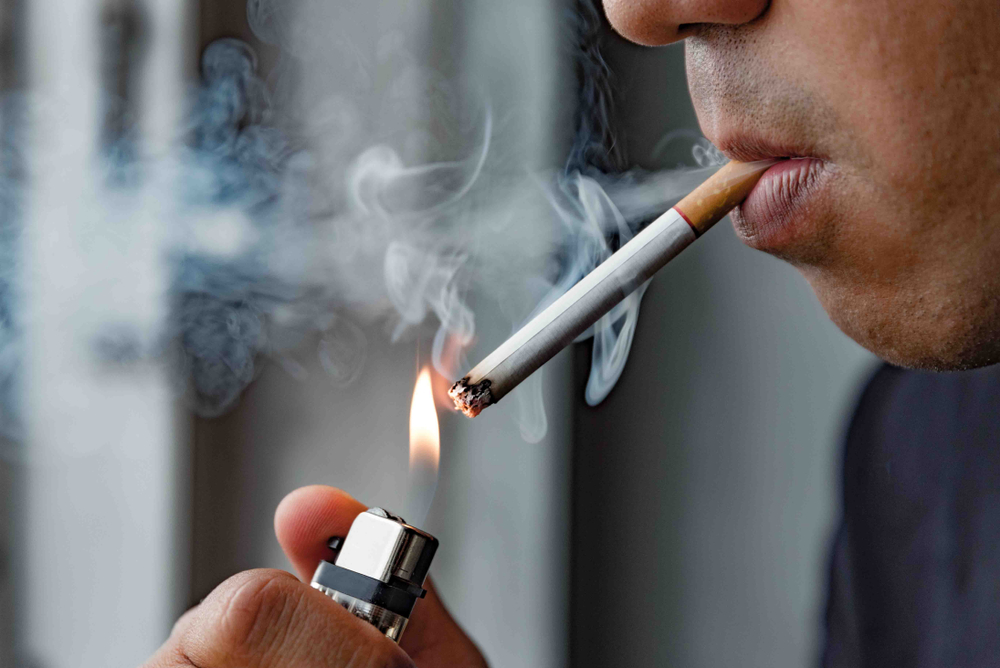
Man smoking a cigarette, exhaling smoke, highlighting the impact of smoking on dental health and implant success.

How Smoking Affects Dental Implants

Smoking, whether it’s cigarettes, cigars, or vaping, introduces harmful chemicals into your body that can compromise your oral health. Dental implants rely on a process called osseointegration, where the implant fuses with the jawbone to create a stable foundation for the artificial tooth. Smoking disrupts this process in several ways:

  • Reduced Blood Flow: Nicotine constricts blood vessels, limiting oxygen and nutrient delivery to the surgical site. This slows healing and weakens the bone-implant bond.
  • Weakened Immune Response: Smoking impairs your immune system, increasing the risk of infections like peri-implantitis, a condition that causes inflammation and bone loss around the implant.
  • Poor Bone Quality: Long-term smoking reduces bone density, making it harder for the implant to anchor securely.
  • Delayed Healing: Smokers often experience slower recovery times after implant surgery, leading to prolonged discomfort and higher complication rates.
  • Increased Risk of Dental Implant Failure: Smoking also increases the risk of implant failure. Nicotine and other chemicals found in cigarettes weaken the bone and make it more difficult for the implant to fuse with the bone. Smoking can also increase the risk of developing an infection, leading to implant failure if not treated as soon as possible.
  • Increased Risk of Peri-Implantitis: Peri-implantitis is a condition that occurs when the tissue around the implant becomes infected and inflamed. Smoking can increase the risk of peri-implantitis, which can lead to implant failure and the need for additional surgeries.

Are you ready to get started with dental implant treatment? Contact our Urbandale dentist today at (515) 276-4981.

Risks of Smoking Before and After Dental Implant Surgery

Before Surgery

Smoking before dental implant surgery can set the stage for complications:

  • Compromised Oral Health: Smoking increases plaque and tartar buildup, raising the risk of gum disease. Healthy gums are essential for implant success.
  • Bone Density Issues: Chronic smoking weakens the jawbone, making it less capable of supporting an implant.
  • Increased Infection Risk: Smokers are more susceptible to infections, which can complicate the surgical process.

Dentists often recommend quitting smoking at least four to six weeks before surgery to improve blood flow, enhance healing, and reduce complications.

After Surgery

Smoking immediately after dental implant placement is particularly harmful:

  • Disrupted Healing: The suction motion of smoking can dislodge blood clots, leading to a painful condition called dry socket. This delays healing and increases infection risk.
  • Infection Vulnerability: Post-surgical wounds are more prone to bacterial infections in smokers, potentially leading to implant failure.
  • Impaired Osseointegration: Smoking during the critical three to six-month osseointegration period can weaken the bone-implant bond, increasing the likelihood of implant loosening.

How Smoking Alternatives Affect Dental Implants

Many patients assume that switching to smoking alternatives is a safer option for their dental implants. However, most alternatives to traditional cigarettes still pose significant risks to implant success and oral health. Understanding how each alternative affects your dental implants is crucial for making informed decisions about your oral health.

Vaping and E-Cigarettes

Vaping has gained popularity as a “healthier” alternative to smoking, but it still presents serious risks for dental implant patients:

Nicotine Content: Most e-cigarettes contain nicotine, which constricts blood vessels and reduces oxygen flow to the implant site. This impairs healing and weakens the bone-implant bond just like traditional cigarettes.

Chemical Exposure: Vaping liquids contain propylene glycol, vegetable glycerin, and various flavoring chemicals that can irritate oral tissues and delay healing around implants.

Heat and Suction: The suction motion required for vaping can disrupt blood clots after surgery, leading to dry socket. The heat from vapor can also irritate healing tissues.

Bacterial Growth: Vaping can alter the oral microbiome, potentially increasing harmful bacteria around implant sites and raising infection risk.

Man vaping outdoors, exhaling vapor, highlighting potential impacts of vaping on dental implant healing and oral health.
Man smoking a cigar, exhaling smoke, emphasizing the impact of cigar smoking on dental implant health and healing.

Cigars and Pipes

Cigar and pipe smoking present unique challenges for dental implant patients:

Concentrated Toxins: Cigars contain higher concentrations of nicotine and tar than cigarettes, potentially causing more severe blood flow restriction and tissue damage.

Longer Exposure: Cigar and pipe sessions typically last longer than cigarette smoking, exposing oral tissues to harmful chemicals for extended periods.

Heat Damage: The higher temperatures from cigars and pipes can cause additional tissue irritation and interfere with the healing process around implants.

Smokeless Tobacco Products

Chewing tobacco, snuff, and other smokeless products are particularly problematic for dental implants:

Direct Contact: These products come into direct contact with gum tissue around implants, causing chronic irritation and inflammation.

Nicotine Absorption: Smokeless tobacco delivers high levels of nicotine directly through oral tissues, severely restricting blood flow to implant sites.

Gum Recession: Long-term use can cause gum recession around implants, exposing the implant surface and increasing failure risk.

Chemical Burns: The caustic nature of smokeless tobacco can cause tissue burns and delayed healing.

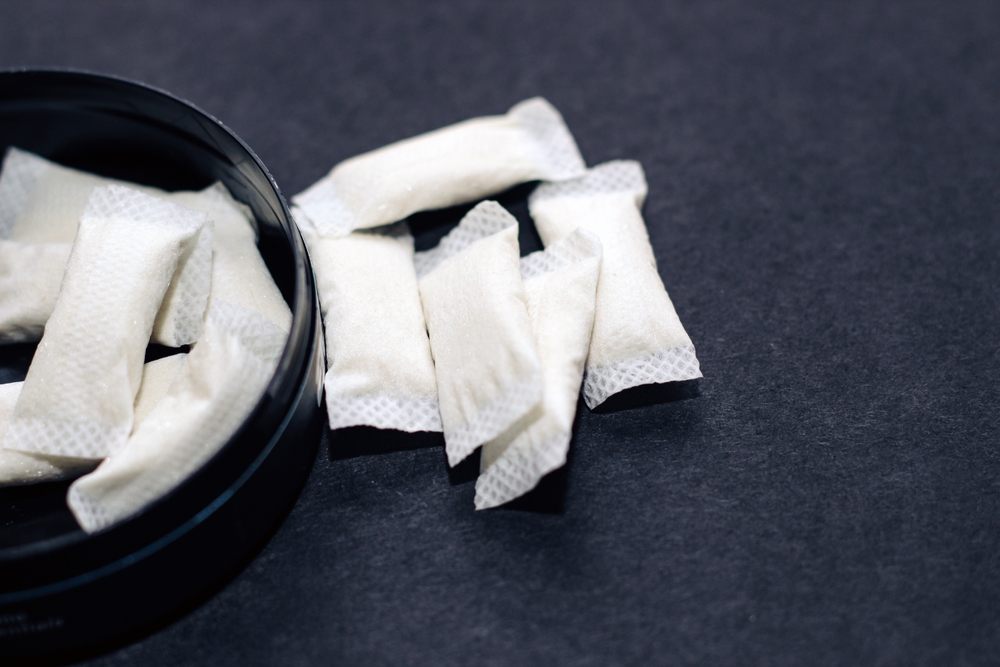
Pouches of smokeless tobacco, highlighting risks to dental implants and oral health.
Woman smoking a joint, exhaling smoke, illustrating the risks of marijuana use on dental implants and oral health.

Cannabis and Marijuana

With increasing legalization, many patients ask about marijuana’s effects on dental implants:

Smoking Method: Smoking marijuana presents similar risks to cigarette smoking, including reduced blood flow, impaired healing, and increased infection risk.

Alternative Consumption: While edibles and oils may avoid some smoking-related risks, THC can still affect immune function and potentially impact healing.

Dry Mouth: Cannabis use often causes dry mouth (xerostomia), reducing saliva production needed to maintain oral health around implants.

Heat-Not-Burn Products

These newer tobacco products heat tobacco without combustion:

Reduced but Present Risk: While they may produce fewer toxic compounds than traditional cigarettes, they still contain nicotine and present risks for implant healing.

Limited Research: Less data exists on their specific effects on dental implants, but the presence of nicotine suggests similar blood flow restrictions.

Person holding a heat-not-burn tobacco device, illustrating alternative smoking options and their potential risks for dental implant healing.

Recommendations for Implant Patients

Best Option: Complete cessation of all tobacco and nicotine products provides the highest chance of implant success.

Temporary Alternatives: If you cannot quit entirely, discuss with your dentist about the least harmful options during your critical healing period.

Professional Guidance: Work with both your dentist and a smoking cessation specialist to develop a comprehensive quit plan.

Remember, any form of smoking or nicotine use can compromise your dental implant success. The investment in your oral health deserves the best chance for long-term success.

Benefits of Quitting Smoking for Dental Implants

Improved Implant Success Rate

Non-smokers have a 95 to 98% implant success rate, compared to 80 to 90% for smokers. Quitting smoking aligns your success rate with that of non-smokers.

Faster Healing

Without nicotine and toxins slowing recovery, your surgical site will heal more quickly, reducing discomfort and complications.

Stronger Bones and Gums

Quitting smoking improves blood flow and oxygen delivery, promoting healthier bone and gum tissue. This strengthens the foundation for your implants.

Reduced Risk of Peri-Implantitis

By quitting, you lower your risk of infections like peri-implantitis, which can lead to implant failure.

Enhanced Overall Health

Quitting smoking reduces your risk of heart disease, lung cancer, and other serious conditions, improving your quality of life.

How to Quit Smoking

  • Seek Support: Join a smoking cessation program or work with a counselor.
  • Use Aids: Nicotine patches, gum, or medications can ease withdrawal symptoms.
  • Set Goals: Create a quit plan with milestones to stay motivated.
  • Replace Habits: Find healthy alternatives, like chewing sugar-free gum or exercising, to replace smoking triggers.


To learn if dental implants are right for you, contact our Urbandale dentist today at (515) 276-4981.

Signs Your Dental Implant is Failing from Smoking

Recognizing the early warning signs of dental implant failure related to smoking can mean the difference between saving your implant and needing costly replacement surgery. Smokers face higher risks of implant complications, making it crucial to monitor your implants closely and seek immediate professional care when problems arise.

Early Warning Signs

Pain and Discomfort

Persistent Pain: While some discomfort is normal immediately after surgery, ongoing or worsening pain weeks or months later may indicate implant failure. Smokers often experience prolonged healing times, but chronic pain beyond the expected recovery period is concerning.

Throbbing or Sharp Pain: Intense, throbbing pain around the implant site, especially when biting down, can signal that the implant isn’t properly integrating with the bone.

Increased Sensitivity: Heightened sensitivity to temperature, pressure, or touch around the implant area may indicate inflammation or infection.

Swelling and Inflammation

Chronic Swelling: Persistent swelling around the implant site that doesn’t improve with time or worsens is a red flag. Smokers’ reduced healing capacity can lead to prolonged inflammation.

Red, Inflamed Gums: Gum tissue around the implant that remains red, swollen, or tender may indicate peri-implantitis, a serious infection that can cause implant failure.

Tissue Changes: Changes in gum color, texture, or appearance around the implant should be evaluated immediately.

Progressive Symptoms

Bleeding and Discharge

Recurring Bleeding: Gums that bleed easily or frequently around the implant, especially during brushing or flossing, may indicate infection or tissue breakdown.

Pus or Discharge: Any pus, unusual discharge, or foul-smelling drainage from around the implant is a serious sign of infection requiring immediate attention.

Metallic Taste: A persistent metallic taste in your mouth may indicate implant complications or infection.

Mobility and Structural Issues

Implant Movement: A properly integrated implant should feel as stable as a natural tooth. Any movement, looseness, or shifting of the implant indicates failure of osseointegration.

Crown Problems: Issues with the dental crown or artificial tooth attached to the implant, such as loosening, cracking, or changes in bite alignment.

Bone Loss: Your dentist may detect bone loss around the implant through X-rays, often before you notice symptoms.

Advanced Failure Signs

Functional Problems

Difficulty Chewing: Problems biting or chewing on the implant side, or avoiding certain foods due to discomfort, may indicate implant failure.

Speech Changes: Changes in speech patterns or pronunciation can occur if implant failure affects your bite or oral structure.

Facial Swelling: Swelling that extends beyond the immediate implant area to your face or neck requires emergency dental care.

Systemic Symptoms

Fever: Fever accompanying oral symptoms may indicate a serious infection that could affect your overall health.

Swollen Lymph Nodes: Enlarged lymph nodes in your neck or jaw area can signal infection spreading from the implant site.

General Malaise: Feeling unwell, fatigued, or having a general sense that something is wrong should not be ignored.

Risk Factors Specific to Smokers

Peri-Implantitis

Smokers face significantly higher risks of peri-implantitis, a condition similar to gum disease that affects tissue around implants:

Progressive Bone Loss: The infection causes progressive loss of bone supporting the implant

Pocket Formation: Deep pockets form around the implant, harboring bacteria 

Irreversible Damage: Without treatment, peri-implantitis can lead to complete implant failure

Poor Healing Indicators

Extended Recovery: Healing that takes significantly longer than expected. 

Recurring Infections: Multiple episodes of infection or inflammation

Tissue Death: Necrotic or dead tissue around the implant site

When to Seek Immediate Care

Contact your dentist immediately if you experience:

  • Severe, worsening pain that doesn’t respond to pain medication
  • Significant swelling, especially if spreading to your face or neck
  • Fever combined with oral symptoms
  • Any discharge, pus, or unusual drainage
  • Noticeable implant movement or looseness
  • Difficulty opening your mouth or swallowing

Monitoring and Prevention

Regular Check-ups: Smokers should have more frequent dental visits to monitor implant health

Professional Cleanings: Specialized implant maintenance cleaning is crucial for early problem detection 

Home Care: Meticulous oral hygiene and implant-specific cleaning tools 

Smoking Cessation: The most effective way to prevent implant failure is to quit smoking entirely

Remember, early detection and intervention can often save a failing implant. Don’t wait for symptoms to worsen – contact your dental team at the first sign of problems. Your quick action, combined with professional treatment, gives you the best chance of preserving your investment in dental implants.


Frequently Asked Questions

Don’t Let Smoking Steal Your Smile – Take Action Today

Don’t let smoking rob you of the confident smile you deserve. Every day you wait, nicotine continues to compromise your healing and put your dental implants at risk. Whether you’re from Urbandale, West Des Moines, Clive, or Johnston, our compassionate team understands the unique challenges smokers face with dental implants. 


We’re here to guide you through a personalized treatment plan that gives your implants the best chance for success. Your quality of life and confidence are worth the investment – stop letting fear hold you back from the smile transformation that could change everything. Call our Urbandale implant dentist at (515) 276-4981 today to schedule your consultation and take the first step toward reclaiming your oral health.

Menu