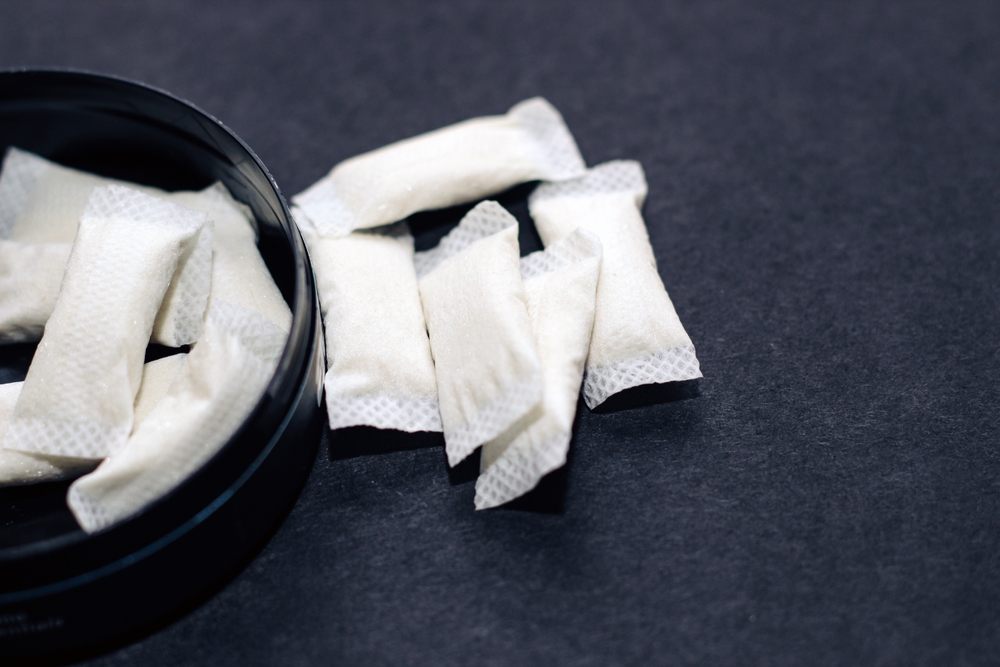
Recommendations for Implant Patients
Best Option: Complete cessation of all tobacco and nicotine products provides the highest chance of implant success.
Temporary Alternatives: If you cannot quit entirely, discuss with your dentist about the least harmful options during your critical healing period.
Professional Guidance: Work with both your dentist and a smoking cessation specialist to develop a comprehensive quit plan.
Remember, any form of smoking or nicotine use can compromise your dental implant success. The investment in your oral health deserves the best chance for long-term success.
Benefits of Quitting Smoking for Dental Implants
Improved Implant Success Rate
Non-smokers have a 95 to 98% implant success rate, compared to 80 to 90% for smokers. Quitting smoking aligns your success rate with that of non-smokers.
Faster Healing
Without nicotine and toxins slowing recovery, your surgical site will heal more quickly, reducing discomfort and complications.
Stronger Bones and Gums
Quitting smoking improves blood flow and oxygen delivery, promoting healthier bone and gum tissue. This strengthens the foundation for your implants.
Reduced Risk of Peri-Implantitis
By quitting, you lower your risk of infections like peri-implantitis, which can lead to implant failure.
Enhanced Overall Health
Quitting smoking reduces your risk of heart disease, lung cancer, and other serious conditions, improving your quality of life.
How to Quit Smoking
- Seek Support: Join a smoking cessation program or work with a counselor.
- Use Aids: Nicotine patches, gum, or medications can ease withdrawal symptoms.
- Set Goals: Create a quit plan with milestones to stay motivated.
- Replace Habits: Find healthy alternatives, like chewing sugar-free gum or exercising, to replace smoking triggers.
To learn if dental implants are right for you, contact our Urbandale dentist today at (515) 276-4981.
Signs Your Dental Implant is Failing from Smoking
Recognizing the early warning signs of dental implant failure related to smoking can mean the difference between saving your implant and needing costly replacement surgery. Smokers face higher risks of implant complications, making it crucial to monitor your implants closely and seek immediate professional care when problems arise.
Early Warning Signs
Pain and Discomfort
Persistent Pain: While some discomfort is normal immediately after surgery, ongoing or worsening pain weeks or months later may indicate implant failure. Smokers often experience prolonged healing times, but chronic pain beyond the expected recovery period is concerning.
Throbbing or Sharp Pain: Intense, throbbing pain around the implant site, especially when biting down, can signal that the implant isn’t properly integrating with the bone.
Increased Sensitivity: Heightened sensitivity to temperature, pressure, or touch around the implant area may indicate inflammation or infection.
Swelling and Inflammation
Chronic Swelling: Persistent swelling around the implant site that doesn’t improve with time or worsens is a red flag. Smokers’ reduced healing capacity can lead to prolonged inflammation.
Red, Inflamed Gums: Gum tissue around the implant that remains red, swollen, or tender may indicate peri-implantitis, a serious infection that can cause implant failure.
Tissue Changes: Changes in gum color, texture, or appearance around the implant should be evaluated immediately.
Progressive Symptoms
Bleeding and Discharge
Recurring Bleeding: Gums that bleed easily or frequently around the implant, especially during brushing or flossing, may indicate infection or tissue breakdown.
Pus or Discharge: Any pus, unusual discharge, or foul-smelling drainage from around the implant is a serious sign of infection requiring immediate attention.
Metallic Taste: A persistent metallic taste in your mouth may indicate implant complications or infection.
Mobility and Structural Issues
Implant Movement: A properly integrated implant should feel as stable as a natural tooth. Any movement, looseness, or shifting of the implant indicates failure of osseointegration.
Crown Problems: Issues with the dental crown or artificial tooth attached to the implant, such as loosening, cracking, or changes in bite alignment.
Bone Loss: Your dentist may detect bone loss around the implant through X-rays, often before you notice symptoms.
Advanced Failure Signs
Functional Problems
Difficulty Chewing: Problems biting or chewing on the implant side, or avoiding certain foods due to discomfort, may indicate implant failure.
Speech Changes: Changes in speech patterns or pronunciation can occur if implant failure affects your bite or oral structure.
Facial Swelling: Swelling that extends beyond the immediate implant area to your face or neck requires emergency dental care.
Systemic Symptoms
Fever: Fever accompanying oral symptoms may indicate a serious infection that could affect your overall health.
Swollen Lymph Nodes: Enlarged lymph nodes in your neck or jaw area can signal infection spreading from the implant site.
General Malaise: Feeling unwell, fatigued, or having a general sense that something is wrong should not be ignored.
Risk Factors Specific to Smokers
Peri-Implantitis
Smokers face significantly higher risks of peri-implantitis, a condition similar to gum disease that affects tissue around implants:
Progressive Bone Loss: The infection causes progressive loss of bone supporting the implant
Pocket Formation: Deep pockets form around the implant, harboring bacteria
Irreversible Damage: Without treatment, peri-implantitis can lead to complete implant failure
Poor Healing Indicators
Extended Recovery: Healing that takes significantly longer than expected.
Recurring Infections: Multiple episodes of infection or inflammation
Tissue Death: Necrotic or dead tissue around the implant site
When to Seek Immediate Care
Contact your dentist immediately if you experience:
- Severe, worsening pain that doesn’t respond to pain medication
- Significant swelling, especially if spreading to your face or neck
- Fever combined with oral symptoms
- Any discharge, pus, or unusual drainage
- Noticeable implant movement or looseness
- Difficulty opening your mouth or swallowing
Monitoring and Prevention
Regular Check-ups: Smokers should have more frequent dental visits to monitor implant health
Professional Cleanings: Specialized implant maintenance cleaning is crucial for early problem detection
Home Care: Meticulous oral hygiene and implant-specific cleaning tools
Smoking Cessation: The most effective way to prevent implant failure is to quit smoking entirely
Remember, early detection and intervention can often save a failing implant. Don’t wait for symptoms to worsen – contact your dental team at the first sign of problems. Your quick action, combined with professional treatment, gives you the best chance of preserving your investment in dental implants.